

If your Rocky Mountain Power bill left you scratching your head this summer, you weren’t alone. Headlines in Utah announced a rate increase, yet many households opened their July bill and found it a little lower. Two changes hit on July 1: a 4.2% base rate increase that added about $3.44 a month, and a 10.6% drop in energy charges that took about $11 off. For a typical home, that’s a net savings of roughly $7 to $8 a month, even with a rate hike in the news.
With rates changing this often since 2024, it’s been hard to tell whether installing solar as a Rocky Mountain Power customer makes sense for your home or business. That’s starting to change. Utah base rates are now set through 2028, and Wyoming regulators will decide on the latest rate request after a December hearing. With fewer moving parts, it’s easier to run the numbers on solar and battery storage and trust what they tell you.
That’s where our team comes in. Since 2001, Creative Energies Solar has designed and installed more than 1,200 grid-tied solar and storage projects across Utah and Wyoming, through plenty of rate increases and policy changes along the way. Below, we break down what changed with Rocky Mountain Power in 2026 and what it means for rooftop solar, battery storage, and larger systems for businesses, farms and ranches.
Utah: A Rate Freeze With an Asterisk
In 2024, Rocky Mountain Power asked Utah regulators to raise residential electricity rates by 30.5%, which would have added roughly $24 a month to a typical home’s bill. After a wave of public pushback, the utility lowered its request to an 18% increase, and the Utah Public Service Commission approved 4.7% instead. Rocky Mountain Power appealed that decision to the Utah Supreme Court, and in summer 2026, the utility and state regulators reached a settlement.
The PSC approved that settlement in August. It added a 4.2% base rate increase on top of the previously approved 4.7% increase and committed Rocky Mountain Power to no new general rate increase requests through 2028.
Base rates should stay put for a couple of years, but other parts of your bill can still change. According to Utah News Dispatch, charges tied to wildfire mitigation funds and the energy balancing account, which passes certain utility costs or credits along to customers, can still move outside of a rate case.
What Net Billing Means for Utah Solar Owners
If you applied for interconnection in Utah after October 2020, you’re on net billing, also called Schedule 137. Your panels power your home first. Any surplus flows to the grid and earns an export credit that Rocky Mountain Power recalculates every March, and lately it’s hovered around 4 to 5 cents per kWh. That’s well below what you pay to buy power.
This changes how we design systems. A kilowatt-hour you use at home saves you the full retail rate, while one you export earns a fraction of it. Blanketing every inch of roof with panels rarely pays off under these rules; sizing the system to your household’s usage does.
And whenever retail rates go up, the solar power you use at home saves you more. Each kWh your panels produce is one you don’t buy from Rocky Mountain Power, so if the rate rises from 10 cents to 11 cents per kWh, that kWh now saves you 11 cents instead of 10.
Why Battery Storage Belongs in the Conversation
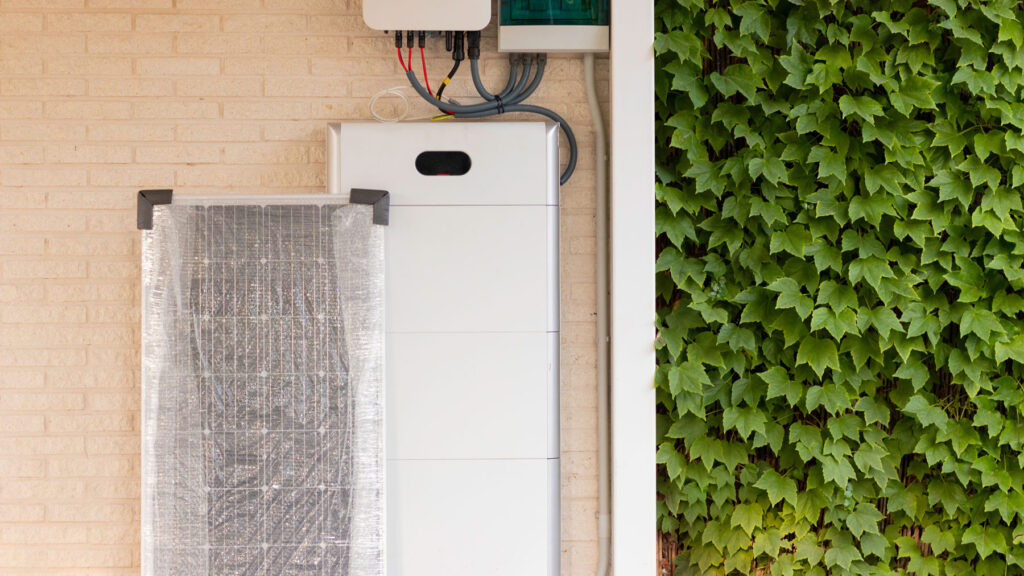
Net billing makes battery storage a smarter investment. Without a battery, extra solar from the middle of the day goes to the grid for an export credit of a few cents per kWh. Then, in the late afternoon and evening, when your panels produce less than your home uses, you buy power back from Rocky Mountain Power at the retail rate. A battery stores that surplus so you can use it in the evening.
Utah customers can also enroll in Rocky Mountain Power’s Wattsmart Battery Program, which pays an upfront incentive based on battery size plus an annual bill credit. In exchange, the utility can draw on your stored energy when the grid is stretched thin. Incentive amounts have changed over the years, so we confirm current program terms before we put numbers in a proposal.
Then there’s backup power. Spring snowstorms, wildfire season, a delivery truck clipping a pole on a long canyon road: outages happen out here. A Tesla Powerwall, Franklin, and Enphase battery (we’re certified installers for both) keeps the lights on while the rest of the street sits in the dark.
Wyoming: A Decision Coming This Winter
Wyoming customers have had a bumpier ride. Regulators approved a 5.5% increase in 2024 and 10.2% in 2025. In May 2026, Rocky Mountain Power asked for another 8.8% general rate increase in Wyoming. It came paired with a separate request to lower bills by about 6% starting in July, reflecting lower fuel and power costs. If regulators approve both, the company estimates a net increase of roughly 2.8%. The general increase is still under review, with a hearing scheduled for December and a requested start date of March 2027.
Wyoming’s Office of Consumer Advocate is pushing back hard, arguing that rates should go down 2.9% instead. Unless the parties settle first, the commission will hear the case in December. Whatever the commission decides, this is the third rate increase request in three years. Regulators approved increases of 5.5% in 2024 and 10.2% in 2025, so Wyoming customers have seen their rates climb steadily.
Wyoming Still Has Net Metering in Its Corner
Wyoming law generally requires Rocky Mountain Power to credit net-metered solar at the retail rate. In plain terms, every rate increase makes each kWh your solar panels produce more valuable, whether you use it or send it to the grid. Lawmakers have floated changes to net metering in recent sessions, so if you’ve been weighing solar in Wyoming, today’s rules are favorable but nobody can promise they’ll stick around.
Businesses, nonprofits and agricultural operations have another clock to watch. The commercial federal tax credit still applies to most solar projects placed in service by December 31, 2027.
Our Take on Timing
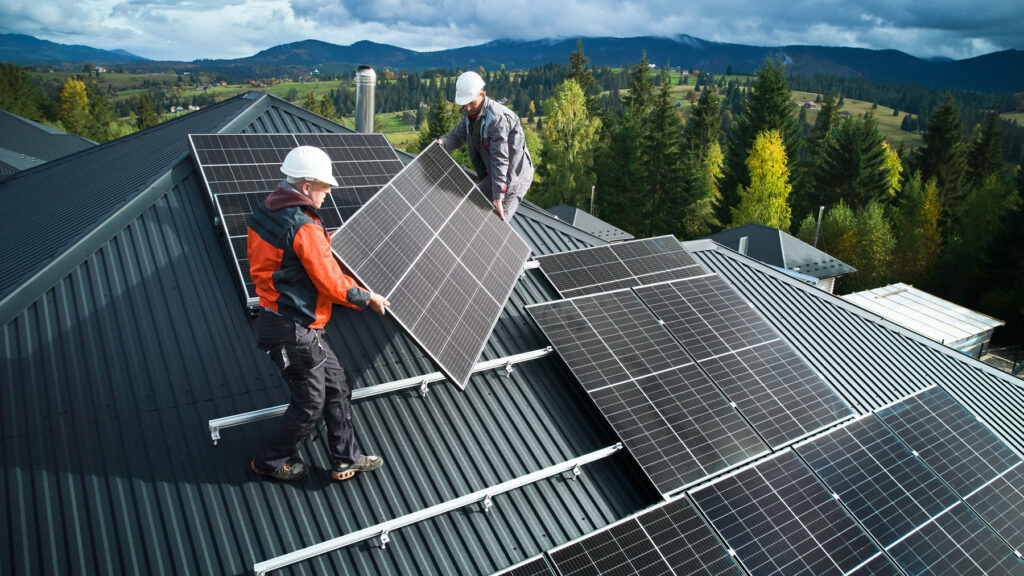
We won’t predict next year’s rates or promise a payback date. Both depend on your property, your usage and your utility’s rate structure. Here’s what we know for certain: Utah base rates are set through 2028, Wyoming’s next increase is still up for debate, and the best systems are the ones designed around how you use power.
That’s where we come in. Our crew starts with your last twelve months of bills, then builds a system that fits your home or business, with or without battery storage.
Curious what Rocky Mountain Power’s latest changes mean for your bill? Let’s run the numbers together.