
Solar panel maintenance isn’t complicated, but skipping it can chip away at the savings you signed up for in the first place.
Whether you’re a few months into ownership or a decade in, here’s what matters when it comes to keeping your panels healthy in Utah and Wyoming.
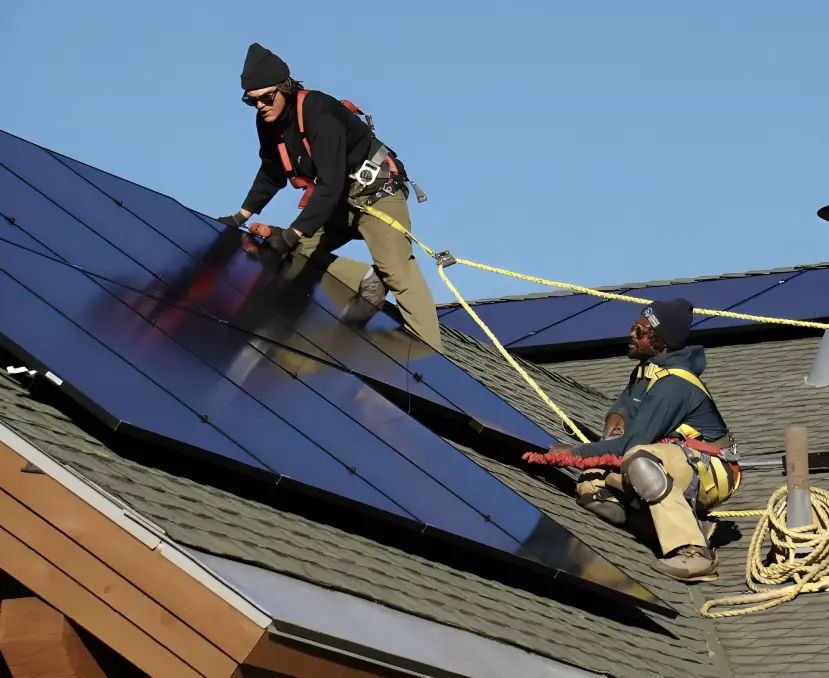
Why Maintenance Matters More Than You’d Think
According to a 2020 Berkeley Lab survey, modern solar panels are estimated to last 25 to 35 years, and for the most part, they run themselves.
Dust and pollen do cut into production. Research from the National Renewable Energy Laboratory found soiling losses as high as 7 percent in parts of the United States. But for most homes, rain handles the bulk of that, and the dollar value of a little dust rarely justifies climbing onto your roof. Creative Energies Solar implements a 7-percent soiling factor in system design which accounts for those potential losses from dust accumulation on the panels.
The bigger reason to stay on top of your system is catching problems early. A cracked panel, wiring damaged by squirrels, a nest tucked under the array, a failing inverter, or a tree branch that’s grown into the sun’s path can cost you far more than dirt ever will. Most of these first appear as a dip in your monitoring app, and many are visible from the ground.
Good maintenance doesn’t require a ladder. Check your production data monthly and compare it to the same month last year. After a major storm, look over the array from your yard. If you notice heavy buildup that rain isn’t clearing, like bird droppings or debris from nearby construction, call a professional.
Rooftop work is dangerous, and DIY cleaning with pressure washers, stiff brushes, or household cleaners can scratch panels and may void your warranty. A periodic professional inspection keeps your system producing and your coverage intact.
What Regular Maintenance Looks Like
You don’t need a toolbox full of gear or a weekend blocked off on your calendar. Solid solar panel maintenance breaks down into four habits.
Keep an eye on your production numbers. Most systems come with a monitoring app, and checking it weekly helps you catch a slump before it turns into a problem.
Visually inspect the system. Look for cracked glass, loose mounting hardware, frayed wiring, or stray panels after a big storm. Catching a loose bracket early saves you from a much bigger repair down the line.
Schedule a professional inspection. A thorough technician checks for wear, corrosion, or hidden damage, often using thermal imaging to spot hot spots you’d never notice.
Our 10-Point Solar Inspection
Our NABCEP-certified technicians and licensed electricians check everything from panel condition and mounting integrity to inverter performance, wiring connections, and system output, giving you a full picture of how your investment is holding up.
We bring two decades of hands-on work on rooftops, ground mounts, and off-grid systems to every inspection.
Battery Storage Needs Attention Too
If you’ve paired your panels with a Tesla Powerwall or Enphase battery, there’s a bit more to stay on top of. These systems benefit from periodic firmware updates and performance checks to make sure they’re storing and discharging power the way they should, particularly if you’re counting on them during an outage or running an off-grid setup. As a certified installer of these batteries, our team handles this as part of ongoing service.
When to Call in the Professionals
A weekly glance at your app is something most homeowners can handle solo. But wiring issues, inverter troubleshooting, or anything involving rooftop access should go to licensed electricians. Climbing a roof to inspect panels is a fall risk, and a misstep with cleaning chemicals or pressure can crack a panel or strip its coating.
Solar for Good, Maintained for the Long Run
Solar panel maintenance isn’t the flashy part of going solar. But it’s the part that determines whether your system lasts the full 25-plus years you’re counting on.
Ready for an inspection? Reach out to our team.